
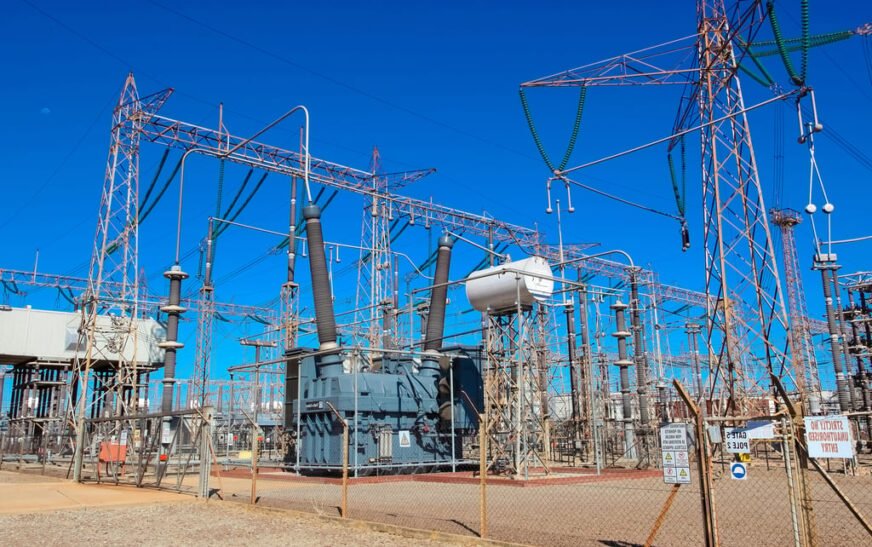
Australia’s rapid expansion of AI data centers is beginning to pose challenges for the national power grid.
The Australian Energy Market Operator (AEMO) has issued a warning that the growing demand from data centers could destabilize the eastern grid if large facilities connect without prior coordination. This alert highlights the necessity of power availability as a primary consideration alongside chips, fiber, and real estate for cloud buyers, data center operators, and infrastructure investors in the APAC region.
As reported by The Australian, AEMO’s modeling indicates that a single fault near western Sydney might disconnect approximately 1,500 MW of data center load in a matter of milliseconds by 2030. Furthermore, the modeling suggests that the Victoria–New South Wales interconnector could hit a critical stress point by 2028 if multiple facilities were to disconnect simultaneously.
AEMO has updated its approach to tracking data center demand. In August 2025, the operator announced that data centers would be monitored as a separate demand category, rather than being grouped with other commercial demands. Currently, data centers are estimated to consume around 4 TWh of electricity within the National Electricity Market for FY2025, accounting for 2.2% of total grid demand. Under its Step Change scenario, this figure could escalate to approximately 12 TWh by 2029-30, equating to 6% of demand.
This strain is not limited to Australia; larger cloud and AI infrastructure initiatives are emerging across the APAC region, including Meta’s recent deal for its first AI data center in India in collaboration with Reliance.
Challenges in Planning for AI Loads
AI data centers represent more than just substantial electricity consumers. GPU clusters can generate intense demand in specific locations, which can shift as workloads, cooling systems, and backup power settings fluctuate.
The primary stability risk lies in abrupt disconnection. During instances of voltage or frequency disturbances, multiple facilities employing similar control systems might simultaneously reduce demand or go offline, jeopardizing frequency and voltage stability, as well as power transfers between regions.
In response to these concerns, the Australian Energy Market Commission has proposed stricter technical standards, suggesting new regulations for large data centers and similar loads, set to take effect in March 2026. These would include ride-through requirements during certain disturbances.
AEMO is not calling for a suspension in AI data center development. Instead, the emphasis is on timing: Developers are urged to engage grid planners before finalizing site selection, leasing agreements, and construction schedules.
The Intersection of APAC Cloud Growth and Grid Risks
For data center operators, early engagement with the grid is now a crucial aspect of project planning, rather than a final consideration in the permitting phase. Developers must present realistic demand forecasts and demonstrate how their facilities can adapt load flexibly during periods of grid strain.
CIOs and cloud buyers should consider how power constraints will influence the expansion of AI capacity among providers and the pace at which new services can be introduced. Energy infrastructure has become as critical to planning as chips, fiber, and physical space, particularly as Nvidia’s expansion in South Korea ties cloud and manufacturing strategies to extensive compute capacities.
For investors, effective grid coordination must be regarded alongside factors such as land costs, tax breaks, connectivity, chip availability, and construction timelines in site evaluation. Rapid approvals can entail hidden risks if network enhancements do not keep pace with the demands of hyperscale operations, while volatility in the AI chip supply chain can disrupt the timing of hardware availability and project execution.
In contrast, Singapore’s approach illustrates a different model. Its Green Data Centre Roadmap links new capacity expansion to enhanced efficiency and sustainability criteria.
The current situation in Australia serves as a reminder of how swiftly AI infrastructure can evolve into a significant consideration for grid planning. For APAC markets striving to attract data center investments, proactive power planning must commence prior to the finalization of site agreements and contracts.
Also read: Google’s SpaceX compute deal, which exemplifies how AI capacity planning is evolving beyond conventional cloud regions and into private infrastructure collaborations.