
Artificial intelligence has accelerated the pace of design, yet organizations still require those designs to comply with brand guidelines, align with approved components, and seamlessly transition into development workflows.
On June 17, Anthropic unveiled a significant update to Claude Design, introducing features like design system imports, enhanced integration with Claude Code, direct canvas editing, and additional export options. This beta version is currently accessible to Claude Pro, Max, Team, and Enterprise customers.
This update aims to enhance its utility for teams seeking AI-generated assets that fit within their established workflows, minimizing rework as they transition from prototypes to production. It positions Claude Design as a more structured workspace for design, product, and development teams, rather than just a tool for rapid mockups.
Claude Design Introduces Design System Imports
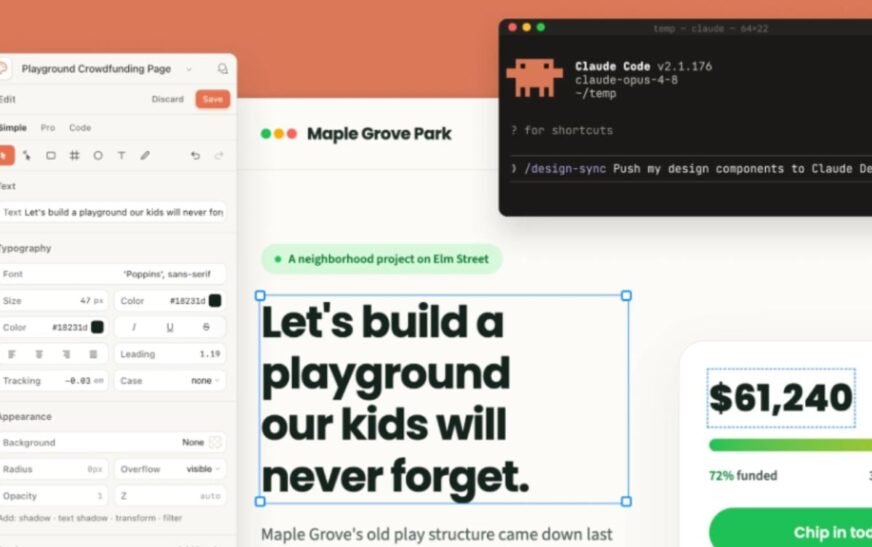
According to Anthropic, Claude Design can now import one or multiple design systems from GitHub repositories, design files, or direct uploads. Once imported, the system utilizes these components, validates its output against the design guidelines, and makes necessary adjustments before presenting the results to the users.
The company asserts that its goal remains unchanged: to enable users to explore a broader range of creative directions than typically allowed by deadlines while ensuring a smooth handoff for polishing or building processes.
In its first week post-launch, Claude Design attracted over one million users, demonstrating its immediate popularity.
For larger organizations, governance may be the most significant enhancement. A new administrative role allows for the approval of a standard design system and restricts modifications, ensuring that AI-generated content adheres to the established typography, color schemes, spacing, and component regulations.
CNET reported that this update has been designed to help users align AI-generated output with their company’s branding guidelines effectively.
Claude Code Integration Enhances Design Handoffs
Anthropic has also strengthened the link between Claude Design and Claude Code. Developers can now utilize the /design-sync function to import a design system into Claude Design, while the /design command enables them to create, edit, and synchronize design projects directly from the terminal.
The objective is to simplify the transition of prototypes into production software, eliminating the need to rebuild from static mockups or screenshots. This update could significantly assist both developers and designers in bridging the common gap between design and final product output.
Alex Lieberman, co-founder of Morning Brew and Tenex, expressed that Claude Design has become integral to his technology stack, noting that the coupling of Claude Design and Claude Code streamlines the process from prototype to production.
Usage Limits and Export Options May Influence Adoption
Anthropic has also addressed concerns regarding usage limitations. Claude Design now shares usage limits with chat, Claude Cowork, and Claude Code, offering most users increased flexibility. The company reports that the average usage now consumes fewer tokens, and error rates have substantially decreased.
This change is significant given the potentially high costs associated with generative design.
Early testers had raised issues about Claude Design consuming usage limits too quickly, as highlighted by a review that reported using 80% of a weekly allowance in just 25 minutes.
In addition, Claude Design has expanded its export and integration capabilities, allowing users to export work in formats such as PDF and PowerPoint or transfer it to platforms like Adobe, Base44, Canva, Gamma, Lovable, Miro, Replit, Vercel, and Wix.
For enterprise teams, this update presents Claude Design not merely as a standalone creative tool, but as a governed workspace for brand, design, and development efforts. The real test will be whether the new design-system controls, Claude Code synchronization, and changes in usage limits can minimize rework without introducing excessive approval processes or raising security concerns.
For extensive insights into Claude, refer to our comprehensive guide, which details features, pricing, access, and available models.